
Recent Posts



Faith and Leadership: Lessons from Islamic History
The intersection of faith and leadership has been a defining characteristic of Islamic civilization throughout history. From the time of Prophet Muhammad (PBUH) to the present day, Muslim leaders have drawn upon their faith to guide their decisions, inspire their communities, and create just and compassionate societies.
Prophet Muhammad (PBUH) himself serves as the ultimate example of faith-based leadership. His leadership was characterized by compassion, justice, humility, and an unwavering commitment to the principles of Islam. He led not through coercion or fear, but through example, wisdom, and deep spiritual conviction.
True leadership is not about power or position, but about service and responsibility. The best leaders are those who lead with faith in their hearts and the welfare of their people as their guiding principle.
Throughout Islamic history, we see numerous examples of leaders who embodied these principles:
Abu Bakr As-Siddiq (RA)
The first Caliph demonstrated extraordinary leadership during a time of crisis. His deep faith and commitment to the Prophet's mission enabled him to maintain the unity of the Muslim community and successfully navigate the challenges of the Ridda wars.

Omar ibn Al-Khattab (RA)
Known for his justice and administrative brilliance, Omar's leadership was deeply rooted in his faith. He famously said, "If a dog dies of hunger on the bank of the Euphrates, Omar will be responsible for it." His sense of accountability to God and to the people he led was unparalleled.
Khadijah bint Khuwaylid (RA)
As one of the earliest converts to Islam and the Prophet's first wife, Khadijah exemplified faith-based leadership in the business world and in supporting the nascent Muslim community. Her financial support and emotional strength were crucial during the early, difficult years of Islam.
Female Leaders in Islamic History
Throughout history, Muslim women have demonstrated exceptional leadership grounded in their faith. From Aisha bint Abi Bakr (RA), who was a scholar, teacher, and political leader, to Nana Asma'u, a 19th-century West African scholar and educator, Muslim women have shown that faith and leadership are not gender-specific.
The lessons we can draw from these historical examples are numerous:
Humility in Leadership
True leaders recognize that their position is a trust from God, not a right. They remain humble, accessible, and accountable to both God and the people they serve.
Justice and Fairness
Faith-based leadership demands justice for all, regardless of status, wealth, or background. Leaders must be willing to stand up for what is right, even when it is difficult or unpopular.
Compassion and Mercy
Following the example of the Prophet (PBUH), leaders should lead with compassion and mercy. They should be concerned with the welfare of all members of society, especially the most vulnerable.
Consultation and Wisdom
Islamic leadership emphasizes consultation (shura) and seeking wisdom from others. A leader who believes they have all the answers is likely to make poor decisions.
Spiritual Integrity
Leaders must maintain their spiritual connection and moral integrity. Their personal faith should guide their public actions and decisions.
In today's world, where leadership often seems focused on power, wealth, and personal gain, the Islamic model of faith-based leadership offers a powerful alternative. It reminds us that true leadership is about service, not self-aggrandizement.
For Muslim women today, these historical examples are particularly inspiring. They show that leadership is not only compatible with Islamic values but is actually enhanced by them. When women lead with faith as their foundation, they bring unique perspectives and strengths to the table.
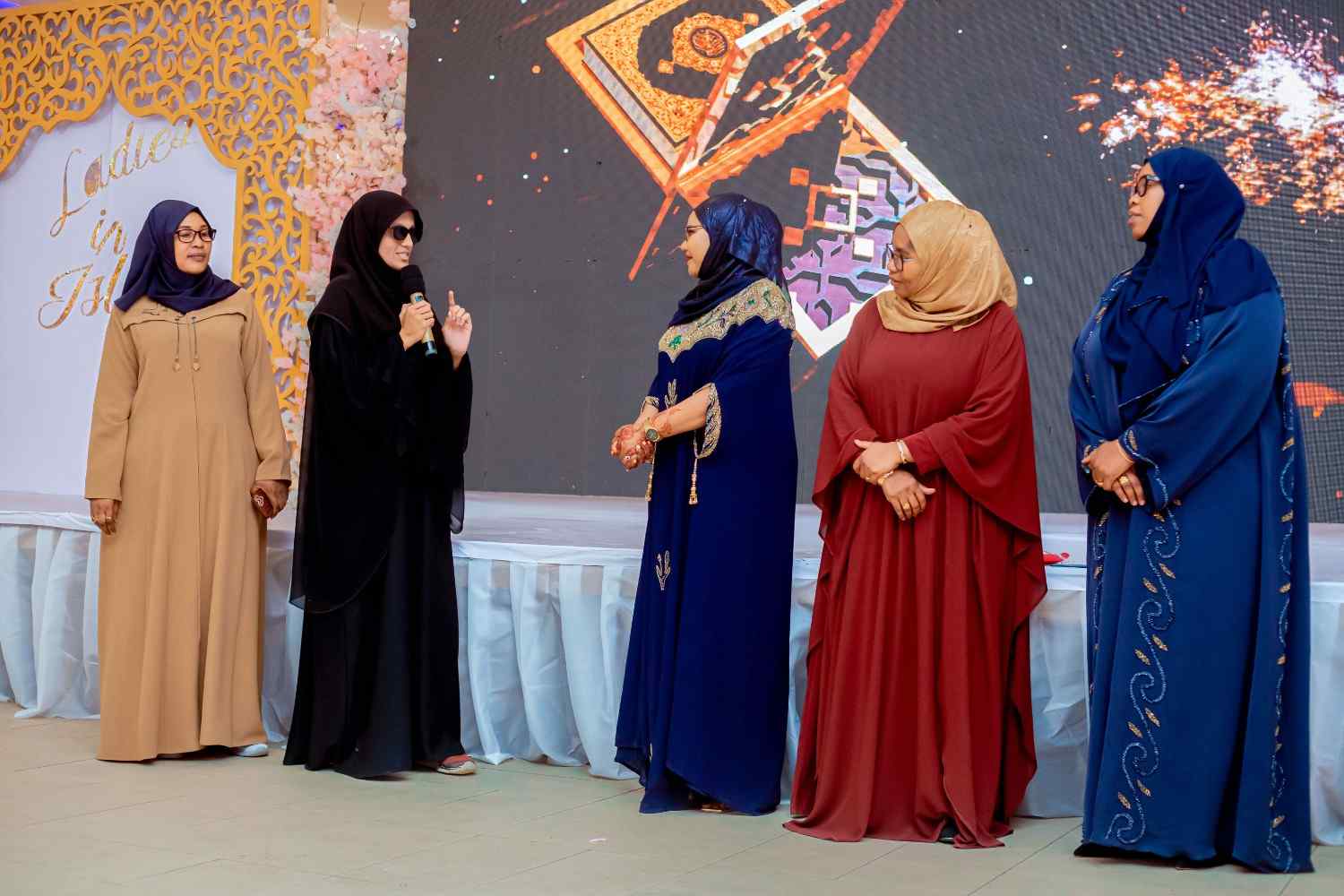
Organizations like Ladies in Islam play a crucial role in reviving these principles of faith-based leadership. By providing education, mentorship, and opportunities for women to develop their leadership skills within an Islamic framework, they are helping to create a new generation of leaders who can make a positive difference in their communities and the world.
As we look to the future, the need for faith-based leadership has never been greater. In a world facing complex challenges?from social inequality to environmental crises?we need leaders who are guided by higher principles, who prioritize the common good over personal gain, and who draw their strength from their relationship with God.
The legacy of Islamic leadership offers us a roadmap for how to lead with faith, integrity, and compassion. By studying these examples and applying their lessons to our modern context, we can create a more just, equitable, and spiritually grounded society.
01 Comment
Leave a Comment
Your email address will not be published. Required fields are marked *
This article beautifully connects our rich Islamic heritage with contemporary leadership challenges. As a young Muslim woman aspiring to leadership roles, I find immense inspiration in these historical examples. They show that our faith provides not just spiritual guidance but also practical wisdom for effective and ethical leadership.
Layla Ahmed
April 1, 2025 at 9:20 am